My Honey Loly: A Sweet and Playful Display Font
A First Glance at My Honey Loly
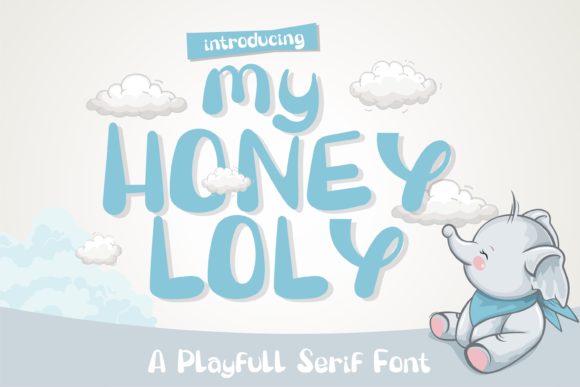
When I first laid eyes on My Honey Loly, the font immediately struck me with its whimsical and playful nature. The letters are rounded and bouncy, creating a friendly and approachable vibe. This typeface exudes a sense of joy and lightheartedness, making it perfect for projects that need to convey a fun and cheerful mood.
Visual Personality and Project Suitability
The visual personality of My Honey Loly is decidedly casual and charming. It’s not just a font; it's a character in itself. This makes it ideal for brands and designs that want to stand out with a unique, handcrafted feel. Whether you're working on a children's book, a quirky cafe menu, or a playful app interface, My Honey Loly can add a touch of whimsy and warmth.
Performance in Real-World Design Projects
In real-life design scenarios, My Honey Loly shines in various applications. For logo design, it can create a memorable and distinctive mark, especially for brands that aim to be seen as fun and approachable. In brand identity, it can set a playful tone across all touchpoints, from business cards to website headers.
For packaging design and product labels, My Honey Loly adds a premium yet accessible feel, making it suitable for gourmet food packaging, artisanal goods, and even eco-friendly products. Its playful nature also makes it a great choice for posters, flyers, and invitations, where it can capture attention and set the right mood for events like baby showers, birthdays, and community gatherings.
In the digital realm, My Honey Loly performs well in website headers, blog graphics, and social media graphics. It can help your content stand out and engage your audience, especially when used for short, impactful messages or decorative accents.
Where to Use My Honey Loly Carefully
While My Honey Loly is versatile, it should be used judiciously. It works best in large headlines, short phrases, and decorative accents. For brand marks and quotes, it can add a touch of personality without overwhelming the design. However, it may not be the best choice for long-form text or body copy, where readability and clarity are paramount.
Impact on Readability and Brand Consistency
Readability is a key consideration when using My Honey Loly. While it’s highly legible in larger sizes and short texts, it can become challenging to read in smaller sizes or in longer passages. Always test it in black and white, and check its readability at different sizes to ensure it meets your project's needs.
When it comes to brand consistency, My Honey Loly can be a powerful tool. Its distinct style helps in building a recognizable and consistent brand image. However, it’s important to pair it with more neutral and readable fonts, such as serif or sans serif typefaces, to maintain a balanced and professional look.
Practical Designer Notes
- Test it in black and white: This will help you see how the font holds up without color distractions.
- Check small-size readability: Ensure it remains legible in smaller sizes, especially for packaging and labels.
- Try it on real mockups: See how it looks in context, whether it’s a website header or a product label.
- Compare uppercase and lowercase: Both styles have their own charm, so experiment to find the best fit for your project.
- Review spacing: Adjust kerning and tracking to achieve the desired balance and flow.
- Test it beside other fonts: Pair it with serif, sans serif, script, and manual fonts to see how it complements or contrasts with them.
- Confirm commercial licensing: Before using My Honey Loly in client or business projects, make sure you have the appropriate commercial license.
Final Thoughts on My Honey Loly
My Honey Loly is a delightful and creative font that can bring a fresh and playful touch to your designs. Its versatility and charm make it a valuable addition to your font library, especially for projects that require a unique and engaging visual presence. Just remember to use it thoughtfully and test it thoroughly to ensure it meets both your aesthetic and functional requirements.